
If you are searching for what a CPA firm does, you’re likely looking to understand its role in your financial management, how it differs from a tax preparer, or why you might need one. Many business owners, and even individuals, often assume that a CPA firm is just another service to file tax returns or process accounting records. In reality, a CPA firm is much more than that.
Today’s CPA firms act as strategic financial partners, offering a range of services that go beyond simple tax filing and accounting. They help individuals and businesses reduce tax liabilities, improve financial strategies, plan for long-term growth, and ensure compliance with tax laws.
This guide will explore the comprehensive services offered by CPA firms, how they differ from other financial professionals like tax preparers or bookkeepers, and when your business or personal finances could benefit from a CPA firm’s expertise.
What Is a CPA Firm?
A CPA firm (Certified Public Accountant firm) is a professional services organization that employs licensed CPAs and other financial professionals to provide accounting, tax, and advisory services to businesses and individuals. Certified Public Accountants are licensed by state boards of accountancy and must meet rigorous standards of education, experience, and professional ethics. They must also pass a national examination and complete continuing education throughout their careers to maintain their licenses.
A CPA firm differs from other financial service providers in several key ways:
- Licensing and Oversight: CPAs are regulated by state boards and adhere to strict ethical guidelines.
- Comprehensive Expertise: CPAs offer specialized advice on complex tax issues, financial strategies, and business planning.
- Strategic Focus: CPA firms work with clients not only to maintain accurate records but also to provide strategic planning for reducing liabilities and increasing profitability.
What Does a CPA Firm Do?
A CPA firm provides a broad range of services designed to meet the financial needs of businesses, individuals, and organizations. These services are not limited to basic accounting or tax preparation. Some of the most common services include:
Tax Services
A CPA firm specializes in tax planning and preparation to minimize tax liability and ensure compliance with federal and state regulations. These services include:
- Individual Tax Preparation: Filing personal income taxes and maximizing deductions to reduce liability.
- Business Tax Preparation: Ensuring that businesses comply with all necessary tax obligations, including corporate, partnership, and LLC taxes.
- Tax Planning Strategies: Proactive planning to minimize tax liabilities year-round, not just during tax season. This involves structuring financial decisions, investments, and business activities to legally reduce taxes.
- IRS Representation: Handling audits, disputes, and any communication with the IRS on behalf of clients.
- Multi-state Tax Compliance: Assisting businesses that operate in more than one state to manage complex state tax laws.
- Estate and Trust Tax Planning: Helping individuals and families plan for estate tax obligations and organize trusts for tax efficiency.
Accounting and Financial Reporting
In addition to tax services, CPA firms provide comprehensive accounting services that include:
- Financial Statement Preparation: Creating accurate balance sheets, income statements, and cash flow statements to give business owners a clear picture of their financial health.
- Audit Services: Offering independent verification of financial statements, essential for businesses, especially those seeking investment or loans. Audits help to ensure compliance and verify the authenticity of financial reports.
- Cash Flow Analysis: Helping businesses better understand their cash flow, which is critical for planning and decision-making.
- Budgeting and Forecasting: Providing long-term financial projections that help businesses plan for the future, manage resources efficiently, and stay competitive in their markets.
Advisory and Consulting Services
Modern CPA firms are increasingly focused on providing strategic financial advice. This includes:
- Entity Selection and Restructuring: Advising on the best legal structure for tax efficiency (e.g., LLC, S Corp, C Corp). A CPA firm can evaluate your business’s needs and help determine the most beneficial structure to minimize taxes.
- Mergers and Acquisitions: Supporting businesses through the sale, purchase, or merger process, including due diligence, tax planning, and regulatory compliance.
- Succession and Exit Planning: Helping business owners plan for a smooth transition, whether they are retiring or passing the business to the next generation.
- Profitability Analysis: Reviewing business performance and advising on cost-saving measures and efficiency improvements. CPA firms often help clients identify areas where they can increase revenue and reduce expenses.
- Internal Controls Consulting: Helping businesses set up strong internal systems to prevent fraud and mismanagement, improving overall operational efficiency.
How a CPA Firm Is Different From a Tax Preparer
Many people mistakenly believe that a CPA firm and a tax preparer serve the same function. While both professionals may assist with filing taxes, they perform vastly different roles.
- Tax Preparer: A tax preparer typically completes tax forms and files them with the IRS. They may not provide much in the way of strategic advice or tax planning. The relationship is typically transactional.
- CPA Firm: A CPA firm, on the other hand, does much more than just filing taxes. They provide proactive tax planning, advising on how to reduce taxable income, structure a business for maximum tax benefit, and strategically plan for the future. Additionally, a CPA firm can represent clients during IRS audits and help with financial strategy.
In short, a CPA firm is more comprehensive. They not only ensure your financial records are accurate and compliant but also provide tailored strategies to meet your financial goals.
How a CPA Firm Is Different From a Bookkeeper
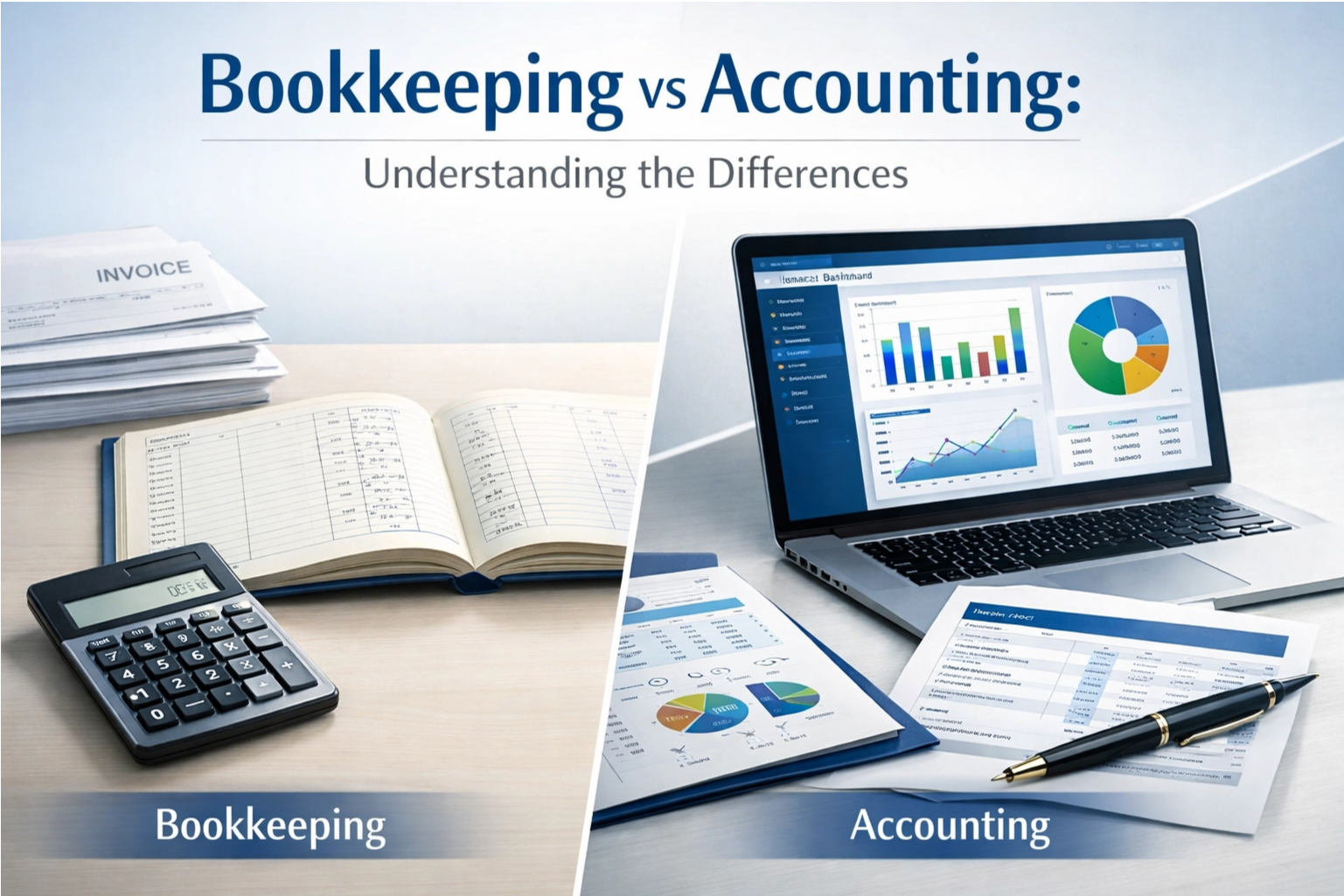
Bookkeepers and CPAs serve different, complementary roles within a business. While bookkeeping is essential for accurate financial recordkeeping, a CPA firm takes things further by interpreting those records and providing strategic advice.
- Bookkeeper: A bookkeeper’s job is to maintain accurate records of daily transactions, categorize expenses, reconcile accounts, and ensure that financial data is organized. They track the history of a company’s finances.
- CPA Firm: A CPA firm goes beyond recordkeeping. CPAs analyze the financial statements, provide tax advice, develop strategies for reducing tax liability, and offer compliance oversight. They help plan for the future by advising on profitability, business structure, and financial forecasting.
For a growing business, it’s crucial to have both bookkeeping and CPA services to ensure that financial records are accurate, taxes are minimized, and long-term goals are achieved.
Types of CPA Firms
Not all CPA firms operate in the same way. The scope of services they offer may vary depending on the size of the firm and its specialization.
- Local CPA Firm: A local CPA firm typically caters to individuals and small to mid-sized businesses within a specific geographic area. These firms offer personalized services, including tax preparation, business advisory, and bookkeeping coordination.
- Regional or National CPA Firm: Larger firms often serve corporations, public companies, and clients with complex multi-state or international tax needs. They provide services like large-scale audits, regulatory compliance, and intricate tax structuring.
- Boutique or Niche CPA Firm: Some CPA firms specialize in particular industries, such as healthcare, real estate, construction, or e-commerce. These firms have deep industry knowledge and offer more tailored tax strategies for businesses within those sectors.
Why Businesses Work With a CPA Firm
Business owners typically work with a CPA firm for three primary reasons: tax optimization, risk management, and growth planning. These services are critical for businesses that want to minimize their tax burdens, avoid costly financial risks, and plan for long-term success.
1. Tax Optimization
One of the main reasons businesses turn to a CPA firm is for tax optimization. This process involves much more than simply filing taxes at the end of the year. A CPA firm provides proactive tax planning strategies throughout the year to ensure the business pays the least amount of taxes legally required. Here’s how they do it:
- Structuring Income and Deductions: By evaluating your financial situation, a CPA firm can structure income in a way that minimizes taxable income. This includes deferring income to the next year or strategically accelerating deductions that lower your tax burden.
- Identifying Available Tax Credits: A good CPA firm will identify tax credits that the business might be eligible for, such as research and development credits, energy-efficient investment credits, or work opportunity tax credits. These credits directly reduce the amount of tax owed and are often underutilized by businesses.
- Maximizing Deductions: A CPA will help the business identify all possible deductions available under the law, including but not limited to operating expenses, employee benefits, business equipment depreciation, and more. By maximizing these deductions, the business can keep more of its income.
- Developing Long-Term Tax-Saving Strategies: Instead of addressing taxes only at year-end, a CPA firm provides ongoing guidance, helping businesses develop long-term tax strategies. This could include advice on structuring business transactions, making decisions about capital investments, and planning retirement contributions to optimize the business’s tax position.
2. Risk Management
A CPA firm also plays a crucial role in managing the financial risks a business might face. Managing financial risk is vital for the sustainability of any business, and a CPA firm provides support in a few key ways:
- Ensuring Compliance: Compliance with tax laws and financial regulations is non-negotiable. A CPA firm ensures the business meets all federal and state tax obligations while staying current with changes in laws. This helps reduce the risk of penalties and audits due to non-compliance.
- Preparing Accurate Financial Statements: A CPA firm prepares and reviews accurate financial statements, ensuring the business has a clear picture of its financial health. Financial transparency helps prevent errors that could result in overestimating or underestimating profits.
- Representing Clients During Audits: If the business faces an IRS audit, a CPA can represent the business, providing expert advice and documentation. With their in-depth knowledge of tax laws and audit procedures, CPAs can handle the complexities of an audit, preventing businesses from making costly mistakes.
- Monitoring Regulatory Changes: As financial regulations change, a CPA firm keeps the business informed of any new requirements or tax laws that could affect their operations. By staying ahead of regulatory changes, the business can avoid legal issues and maintain compliance.
3. Growth and Planning
Lastly, a CPA firm is integral to supporting the growth and planning of a business. Whether the business is expanding into new markets, hiring additional employees, or preparing for a potential sale, a CPA’s strategic guidance is crucial for sustainable success. Here’s how:
- Evaluating Profitability: By analyzing the business’s financial statements and performance, a CPA can provide insights into profitability trends. This helps business owners make informed decisions about pricing, cost management, and areas for potential expansion.
- Forecasting Cash Flow: A CPA firm will assist with cash flow forecasting, which is essential for businesses that are growing or planning to invest in new projects. With accurate projections, business owners can make data-driven decisions and avoid cash shortfalls.
- Supporting Business Expansion: Whether a business is opening new locations, launching new products, or expanding internationally, a CPA firm helps by providing financial analysis and structuring the business for growth. They can also advise on capital investments, operational changes, and scaling strategies.
- Preparing for Sale or Succession: If the business owner is planning to sell the business or pass it down to a family member, the CPA firm can assist with succession planning. This includes evaluating the business’s value, structuring the sale, and minimizing the tax implications of such a transition.
When Should You Hire a CPA Firm?
A business should consider hiring a CPA firm when its financial situation becomes more complex. Here are some signs that it might be time to engage with a CPA:
- If Profits Are Growing: As businesses become more profitable, the complexity of their financial management increases. A CPA can help navigate the tax implications of increased income and ensure the business continues to operate efficiently.
- If Tax Liabilities Are Increasing: As businesses grow, they often face higher tax obligations. A CPA can help minimize these obligations through strategic planning and advice.
- If the Business Expands into New States: Multi-state operations bring complex tax considerations, including differing state tax laws, sales tax requirements, and payroll taxes. A CPA can guide businesses through this complexity.
- If the Business Hires Employees or Restructures Ownership: Changes to the company’s structure, such as adding employees or changing the ownership structure, can trigger new tax rules. A CPA can ensure that these changes are compliant and tax-efficient.
- If the Business Is Preparing for a Sale or Exit Strategy: Selling a business involves complex tax considerations, such as capital gains tax, business valuation, and structuring the deal. A CPA provides the guidance necessary to make the sale or transition as profitable and tax-efficient as possible.
The earlier a CPA firm becomes involved, the more proactive the tax planning can be. Waiting until tax season is too late to take advantage of tax-saving opportunities.
Real World Example of CPA Firm Value
Let’s consider a small business generating $300,000 in annual profit.
Without a proactive CPA firm, the business might experience:
- No compensation optimization, leading to higher payroll taxes
- No retirement planning, missing out on potential tax-deferred contributions
- No credit analysis, missing eligible tax credits
With a CPA firm:
- The CPA suggests electing S Corporation status, reducing self-employment taxes
- They structure a reasonable salary for the owner, saving on payroll taxes
- Retirement contributions are maximized, leading to both tax benefits and long-term savings
- Section 179 deductions on new equipment are optimized, reducing taxable income
- Quarterly tax projections are adjusted, preventing any surprise tax liabilities
This approach could result in significant tax savings easily in the range of tens of thousands of dollars. This is the difference between merely filing taxes and having a strategic partner who helps you plan for the future.
What to Look for in a CPA Firm
When selecting a CPA firm, it’s essential to consider the following qualities:
- Proactive Tax Planning: A good CPA firm does not just file taxes; it actively works with you throughout the year to implement strategies that reduce your tax liability.
- Industry Experience: A CPA firm with experience in your industry can offer more tailored advice. For example, a CPA who understands the nuances of tax laws for real estate or construction businesses can help you take advantage of industry-specific deductions.
- Clear Communication: The CPA firm should maintain open communication, providing clear explanations and regular updates. You should never feel left in the dark about your financial situation.
- Technology Integration: A CPA firm that uses modern accounting tools, cloud-based software, and digital communication methods will ensure your data is secure, easily accessible, and efficiently managed.
- Regular Strategy Meetings: The firm should schedule regular check-ins to review financial performance, discuss business goals, and adjust tax strategies as necessary.
How CPA Firms Structure Their Services
Most CPA firms offer services in the following ways:
- Annual Tax Preparation Engagements: This is the most common model where the CPA firm prepares your tax return annually. This can be ideal for businesses that need tax filing support but have straightforward needs.
- Ongoing Advisory Retainers: For businesses that require continuous strategic support, many CPA firms offer retainer-based services. These ongoing engagements typically involve regular financial reviews and tax planning throughout the year.
- Project-Based Consulting: A CPA firm can also be hired for specific projects, such as business valuations, mergers and acquisitions, or helping the business navigate complex tax compliance issues.
- Tiered Service Packages: Some CPA firms offer different levels of service depending on the size and complexity of the business. This model ensures that businesses of all sizes have access to the right support.
These service structures ensure that the CPA firm’s approach aligns with your business’s needs and growth stage, providing flexibility as your business evolves.
The Modern Role of a CPA Firm
The role of a CPA firm has evolved. Today’s firms are not just focused on compliance but are increasingly offering:
- Forward-Looking Tax Planning
- Data-Driven Decision Making
- Technology Integration
- Financial Strategy Alignment
The goal of modern CPA firms is to help clients achieve long-term financial stability and profitability, not just to comply with current tax laws.
Work With a CPA Firm That Prioritizes Strategy
Choosing a CPA firm is about more than just tax filing. It’s about strategic partnership. A good CPA firm helps businesses implement proactive tax strategies, optimize entity structures, and reduce tax liabilities, all while supporting long-term business goals.
Frequently Asked Questions About CPA Firms
What is a CPA firm?
A CPA firm is a licensed accounting firm made up of Certified Public Accountants who provide tax, accounting, audit, and advisory services.
What services does a CPA firm provide?
CPA firms provide tax preparation, tax planning, financial reporting, audit services, advisory consulting, and compliance support.
How is a CPA firm different from a tax preparer?
A CPA firm provides strategic tax planning and advisory services, while a tax preparer typically focuses on filing returns.
Do small businesses need a CPA firm?
Most profitable or growing small businesses benefit from CPA firm oversight to reduce taxes and manage compliance.
Can a CPA firm represent me before the IRS?
Yes. Licensed CPAs can represent clients before the IRS in audits and disputes.
How do CPA firms charge for services?
CPA firms may charge annual engagement fees, retainers, or project-based pricing depending on scope and complexity.
Is working with a CPA firm worth it?
For businesses seeking tax optimization and strategic financial guidance, the long-term savings often exceed the fees.